Plain language isn’t about dumbing things down; it’s about making your writing clear, concise, and accessible. While some may assume that plain language means simplifying ideas to their lowest form, that’s far from the truth. It’s about structuring your communication so that the reader can grasp your message quickly and easily—often in just one read. So, how do you unlock the true power of plain language in your writing? Let’s dive in.
Why Plain Language is Essential
Writing in plain language isn’t just a stylistic choice; it’s an incredibly effective strategy that benefits both you as a writer and your audience. Here’s why:
- Saves Time: Reducing misunderstandings and follow-up questions means less time spent clarifying information and more time spent acting on it.
- Boosts Efficiency: The quicker your audience understands your message, the faster they can act on it, improving overall productivity.
- Enhances Professionalism: Well-written, polished documents demonstrate professionalism and elevate your reputation.
- Increases Engagement: A reader-friendly style grabs attention, keeps the audience engaged, and ensures they take away the important points.
Plain Language and Accessibility: A Critical Connection
Plain language goes hand in hand with accessibility. Complex language, jargon, or unnecessarily long sentences create barriers that exclude people, especially those with cognitive disabilities, non-native English speakers, or anyone who may be under time pressure to understand key information. By using plain language, you make sure everyone can access and act on your message. Think of it as a tool for inclusivity.
How to Write in Plain Language: Practical Strategies for Success
Getting plain language right is more than just avoiding jargon—it's about making your communication as clear and user-friendly as possible. Here’s how you can improve your writing:
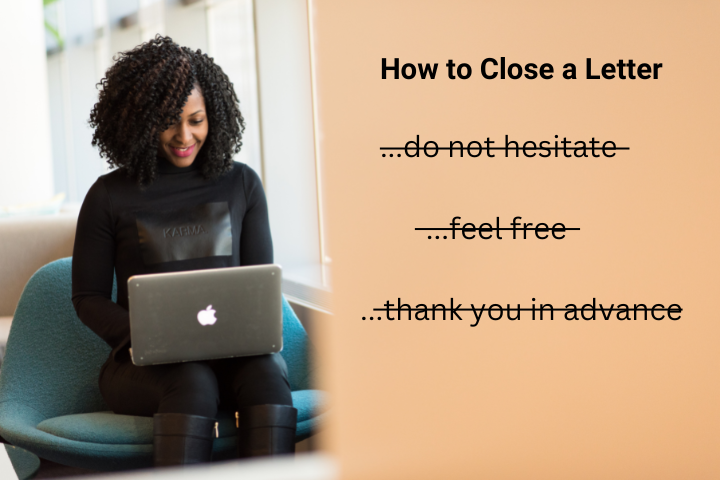
- Avoid Wordy Openings and Phrases
Make your writing more direct. For instance:
✔ Thank you for your proposal.
✖ I am writing this letter to acknowledge receipt of your proposal.
- Keep Sentences Short and Focused
A long sentence may create confusion. Try to keep sentences under two lines in length.
- Use Short Paragraphs
Massive blocks of text are overwhelming and unappealing to readers. Aim for paragraphs that are under seven lines long—this makes them easier to digest and more inviting to read.
- Simplify Your Vocabulary
Swap out long or technical words for simpler, more familiar ones. For example:
✔ Plan, start, possible
✖ Strategize, implementation, viable
- Make Formatting Work for You
Using clear headings and bullet points creates white space, making documents more digestible. Consider breaking down complex ideas with bullet points to improve readability.
- Limit List Items to Six
Too many items in a list can overwhelm the reader. Keep it to six items or fewer, or break long lists into multiple lists.
- Use the Active Voice
Active voice makes your writing more direct and engaging. For instance:
✔ Jana will edit the proposal.
✖ The proposal will be edited by Jana.
Final Tip: Always Edit for Clarity
Editing is crucial to achieving clarity. Once you’ve finished your draft, go back and review it with a focus on plain language. Make sure you’ve removed any unnecessary complexity and checked for grammar, spelling, and formatting issues. A well-edited document is a far more effective tool in communicating your message.
Why Embrace Plain Language?
Plain language isn’t a passing trend; it’s a time-tested approach that ensures effective communication. By embracing it, you’ll make your writing more professional, engaging, and accessible, while also fostering better understanding and creating a positive impact on your readers. So, take a closer look at your writing; how can you simplify and clarify it today?