Why We Need to Avoid Using "Shall"

Cover image
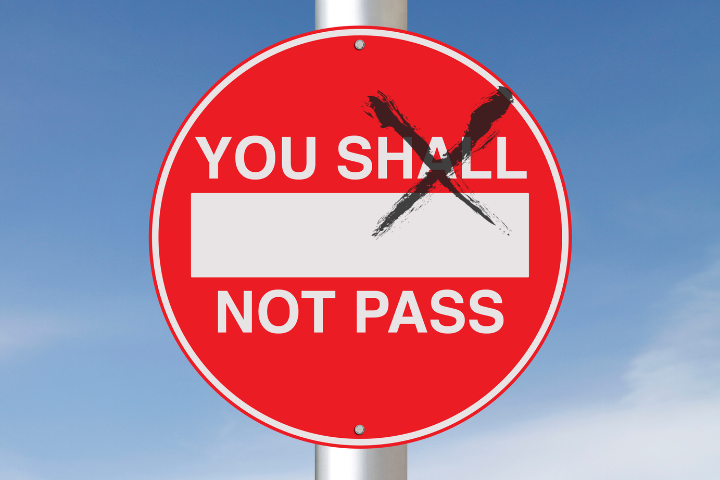
A road sign saying you shall not pass.  Shall is crossed out.
Body

Finally, I’ve found a concrete example showing why we should avoid the use of “shall” in writing. (yes, even legal writing)

While attending the PLAIN conference, I had the pleasure of hearing a presentation from Joseph Kimble, a leading international expert on plain language use in business, government and law. He spoke on his work in redrafting the US Federal Rules of Civil Procedure and Federal Rules of Evidence. This redrafting process eliminated 500 “shalls” from the rules.

You would guess that all of the “shalls” became “musts”. It’s a common thought that the meanings are the same. However, that was only so for 375 times. The remaining 125 “shalls” were replaced by either “may” or “should”.

So, the next time you think you want to use the word “shall”, ask yourself if it’s possible to use “must”, “should” or “may” to be more specific. 

Category
Professional Writing and Editing
Marie Antaya avatar

By Marie Antaya, CTDP

Author of The Eclectic Writing Series.

Continue reading

Eye glasses and a pen sitting on top of a style guide.
Why Your Workplace Should Have a Style Guide
Professional Writing and Editing
A person sitting cross-legged with a laptop on their lap.
Continual vs Continuous
Professional Writing and Editing
Woman sitting at her desk writing in a journal. She's surrounded by a thought bubble with various punctuation marks, including the semicolon
Don't Fear the Semicolon and Other Punctuation Tips
Professional Writing and Editing
business man sitting at his desk looking at his computer
Clear Thinking Under Real-World Constraints
Workplace Well-being and Effectiveness