If there’s one writing rule that still matters in today’s technology-focused work environment, it’s this: make your writing easy to read.
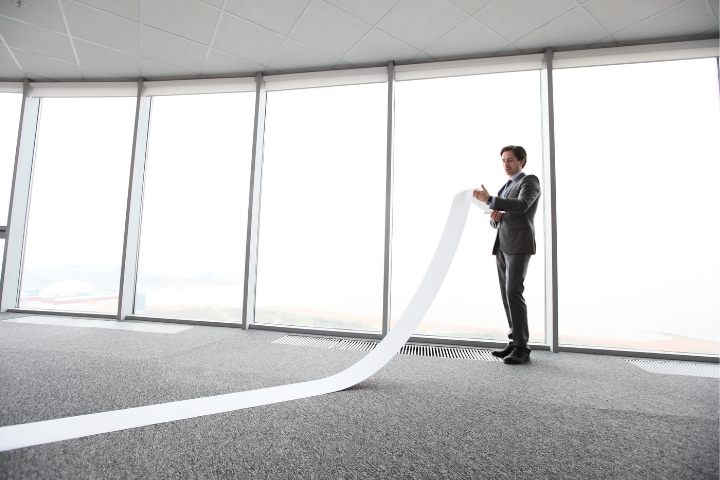
Often, we’re reading between meetings, responding from our phones, and processing a constant stream of information. Long-winded sentences slow readers down and increase the chance your message gets skimmed, misunderstood, or ignored.
Clear, concise writing helps readers understand your point quickly.
How Do You Know a Sentence Is Too Long?
A useful guideline is two lines maximum in a standard 12-point font. If a sentence spills into a third line, it’s worth taking a closer look.
That doesn’t always mean the sentence is wrong. Some writing naturally runs longer because it includes:
- official department names
- policy titles
- workshop names
- technical terminology
The real issue is whether the sentence has become difficult to process.
What Makes Sentences Hard to Read?
Most overloaded sentences fall into one of three categories:
Too much filler
Workplace writing often includes extra wording that adds length without adding meaning.
Too many ideas
A sentence may try to explain several thoughts at once instead of focusing on one clear point.
Too many connecting words
Words like and, but, because, which, and so can signal that a sentence is trying to do too much.
How to Tighten Your Writing
When you spot a bulky sentence, ask yourself:
- Can I remove unnecessary wording?
- Should this become two sentences instead of one?
- Is every word helping the message move forward?
Here are a few common examples:
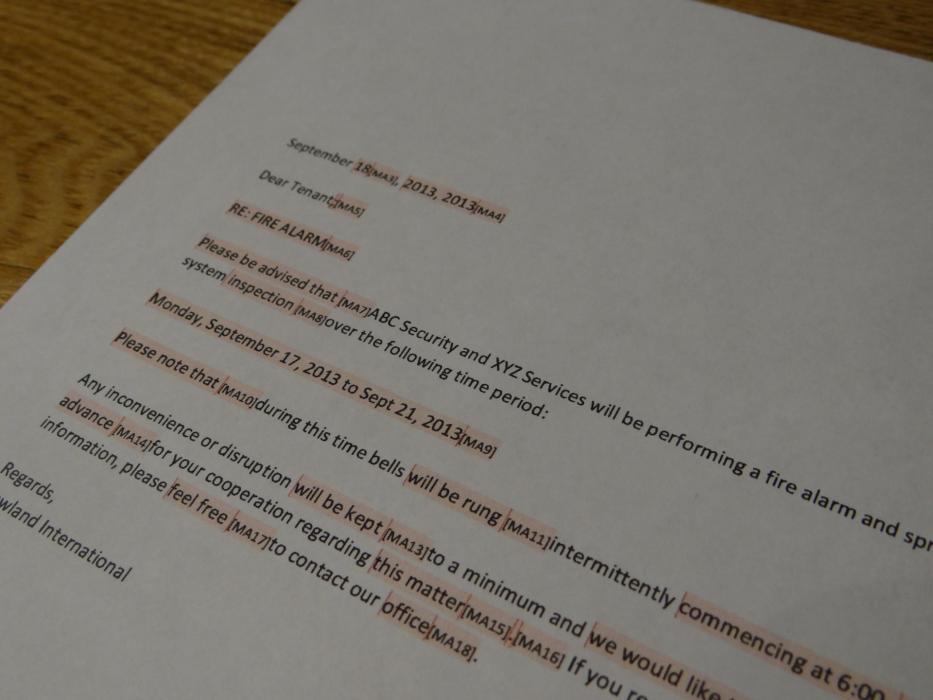
✖ Bulky: At the present time, our team is in the process of reviewing the feedback that was submitted following the workshop.
✔ Concise: Our team is reviewing the workshop feedback now.
✖ Bulky: Due to the fact that several team members are unavailable, the meeting will need to be rescheduled to a later date.
✔ Concise: Because several team members are unavailable, we need to reschedule the meeting.
✖ Bulky: We wanted to touch base with you in order to discuss next steps moving forward.
✔ Concise: We’d like to discuss next steps.
The Payoff
Shorter sentences don’t make your writing simplistic; they make it easier to absorb. Concise writing improves readability, strengthens your message, and helps busy readers stay engaged.
In a world of overflowing inboxes, packed schedules, and constant notifications, clear writing is a professional skill that stands out.
Take a look at something you wrote recently. Where could you tighten things up?