Why We Need to Avoid Using "Shall"

Cover image
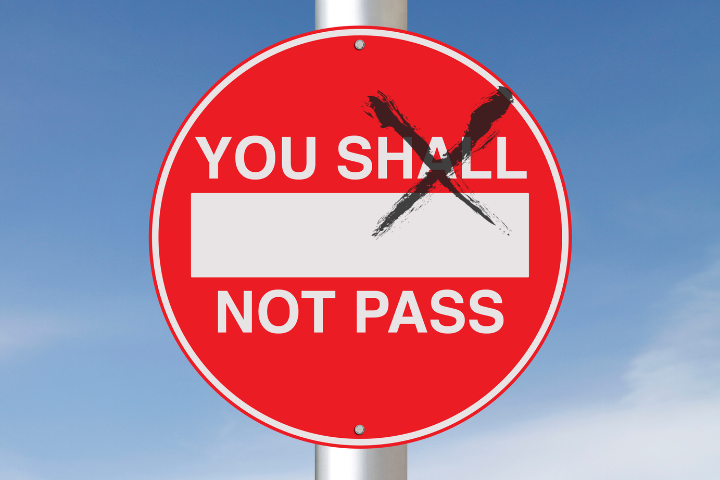
A road sign saying you shall not pass.  Shall is crossed out.
Body

Finally, I’ve found a concrete example showing why we should avoid the use of “shall” in writing. (yes, even legal writing)

While attending the PLAIN conference, I had the pleasure of hearing a presentation from Joseph Kimble, a leading international expert on plain language use in business, government and law. He spoke on his work in redrafting the US Federal Rules of Civil Procedure and Federal Rules of Evidence. This redrafting process eliminated 500 “shalls” from the rules.

You would guess that all of the “shalls” became “musts”. It’s a common thought that the meanings are the same. However, that was only so for 375 times. The remaining 125 “shalls” were replaced by either “may” or “should”.

So, the next time you think you want to use the word “shall”, ask yourself if it’s possible to use “must”, “should” or “may” to be more specific. 

Category
Professional Writing and Editing
Marie Antaya avatar

By Marie Antaya, CTDP

Author of The Eclectic Writing Series.

Continue reading

People at a conference table working together.
What Makes a Writing Workshop Effective?
Professional Writing and Editing, Presentation and Facilitation
man in a suit sitting at a desk withhis right hand on his chin thinking about how to best refine his closing statment
Refining Your Closings for Better Results
Professional Writing and Editing
zoomed in image of a woman writing on paper with a pen
Do You Want to Persuade Your Readers? Remember the Need
Professional Writing and Editing, Workplace Well-being and Effectiveness
woman looking confused in front of a wall full of sticky notes with various jargon on each one
Reduce Jargon for Effective Communication
Professional Writing and Editing, Workplace Well-being and Effectiveness, Interpersonal Communication