Learning Techniques

Cover image
A woman sitting at a table with a cup of coffee, happily studying.

Whether starting a new course, returning to school, or completing professional development, keeping up with your learning can feel like a full-time job. With deadlines approaching and information coming from every direction, it’s easy to feel overwhelmed or unsure how to make it all stick.

Many learners, students and professionals alike, struggle not just with what they’re learning but also with how to learn it effectively. Without a clear approach, time gets lost, stress builds, and the pressure to perform can quickly take over. For schools, training programs, and workplaces, this often leads to lower engagement, missed goals, and a drop in confidence.

This workshop offers practical, proven strategies to make learning feel more manageable. You’ll reflect on how you learn best, try out techniques to support focus and retention and bring more structure to your learning routine. You’ll also learn to set clear goals, manage your time, and read more effectively. Additional strategies include taking useful notes, enhancing memory, writing assignments with clarity, and confidently preparing for tests.

You’ll leave with a toolkit of strategies you can use right away. From managing deadlines to staying focused under pressure, this session is designed to help you feel more prepared and confident at every stage of your learning journey.

  • Apply memorization techniques to retain and recall key information.
  • Use class or study time more effectively to support learning goals.
  • Create and use study note sheets to organize and review material.
  • Apply reading strategies to improve comprehension and focus.
  • Plan and write assignments and essays with greater clarity and structure.
  • Prepare for tests and exams using effective study methods.

This interactive workshop is designed to help you explore how people learn and what you can do to support your own learning. You’ll work through a variety of learning methods and approaches that can be used in formal and informal settings. Through individual reflection, small group dialogue, and structured activities, you’ll examine how to plan for learning and engage in learning activities effectively.

You’ll also take away a practical workbook with tools, examples, and checklists to use back on the job.

This workshop is for anyone who wants to improve their approach to learning. Whether you're taking a course, pursuing a credential, or completing workplace training, this session offers tools to help you stay organized, retain information, and confidently approach learning.

  • Feel overwhelmed by coursework, training, or ongoing learning expectations
  • Want to build better habits around studying, note-taking, and managing your time
  • Struggle to retain what you read or stay focused while learning
  • Need practical strategies to prepare for tests or write assignments with less stress
  • Support others in a learning environment and want tools to pass along
  • Are ready to bring more structure and purpose to your learning routine

By the end of this session, you’ll have a set of practical techniques to help you study more effectively, reduce stress, and stay in control of your learning.

  • Identifying barriers to learning and discussing strategies to address them
  • Applying selected learning methods
  • Participating in self-assessment, reflection, and peer feedback
  • Developing a plan to apply selected techniques in your own work

Foundations of Resilience

Cover image
A resilient little plant growing through the cracks in the sidewalk.

Some days feel like a juggling act: keeping up with demands, dealing with shifting priorities, and supporting others while trying to stay grounded. When stress builds or change hits unexpectedly, it’s easy to doubt your capacity to handle it all. You might notice your focus slipping, your energy draining, or your patience wearing thin. These moments can shake your confidence, especially when others look to you for stability.

Across organizations, this strain is becoming more visible. High-pressure environments, constant transitions, and emotional labour can affect even the most committed teams. Without the right tools, people may withdraw, burn out, or struggle to communicate effectively. Resilience is more than a personal strength; it’s a workplace necessity. When organizations support emotional well-being and adaptability, teams are better equipped to manage pressure and respond to change in healthier, more productive ways.

This interactive workshop offers practical tools to manage stress, stay emotionally grounded, and respond to change with more ease. You’ll explore how stress affects your body and behaviour, and how to respond with intention rather than instinct. Through reflection, group discussion, and hands-on strategies, we’ll focus on building your emotional awareness, strengthening your adaptability, and shifting your mindset toward learning and growth during times of uncertainty.

You’ll leave with a clearer picture of how you respond to stress and what helps you stay balanced. You’ll have new strategies to manage your energy, support others without feeling depleted, and communicate more effectively during difficult moments. Most importantly, you’ll build a personal resilience toolkit—something you can draw on to stay grounded, adaptable, and confident no matter the challenges.

  • and performance.
  • Apply self-regulation techniques to maintain emotional balance during challenging situations.
  • Support colleagues and clients through co-regulation strategies that support stability and connection.
  • Strengthen adaptability and flexibility when moving through workplace transitions and periods of uncertainty.
  • Develop effective coping strategies to manage stress and maintain resilience in high-pressure environments.
  • Improve communication skills to approach difficult conversations with clarity and confidence.
  • Identify early signs of burnout and implement proactive self-care strategies.
  • Build a personal resilience toolkit with practical techniques to sustain long-term well-being.

This session offers a space to assess how your team is functioning—what’s supporting collaboration and what’s getting in the way. Through structured activities, group reflection, and real-time discussion, you’ll explore practical ways to build connection, reduce overwhelm, and create more sustainable work habits.

You’ll receive a detailed workbook filled with templates, prompts, and reference tools to support your use of analytical techniques after the session.

This workshop is ideal for professionals who want to strengthen their capacity to manage stress, respond to change, and support others without becoming overwhelmed. As a shorter version of our Cultivating Resilience workshop, it offers a focused introduction to the foundations of resilience with practical tools you can apply immediately.

  • Feel stretched by competing demands or shifting priorities
  • Want to manage your energy more intentionally and prevent burnout
  • Support others regularly and need tools to stay emotionally steady yourself
  • Struggle to stay focused, patient, or confident during high-stress periods
  • Are moving through workplace transitions, uncertainty, or emotionally complex situations
  • Work in roles where emotional labour, decision-making under pressure, or adaptability are essential

By the end of this session, you will have practical tools to support your well-being, strengthen your response to change, and stay grounded, both for yourself and those you support.

  • Reflecting on team dynamics and sources of stress
  • Mapping out strengths, gaps, and connection points
  • Identifying burnout risks and early warning signs
  • Exploring tools to support psychological safety and resilience
  • Practising conversations that strengthen connection and trust
  • Applying growth mindset and reframing techniques to shift unhelpful thinking
  • Using team planning tools to support shared workload and priorities
  • Creating a personalized team support and sustainability plan

Navigating Difficult Conversations with Confidence

Cover image
Three people confidently engaging in a difficult conversation.

Everyone knows that sinking feeling when a conversation suddenly becomes tense: opinions collide, emotions rise, and the pressure to say the right thing feels overwhelming. Handling these important conversations effectively requires skill and courage, especially when you care deeply about the relationships involved. These conversations often happen between team members, colleagues, or managers, people you work with regularly and need to maintain long-term relationships with.

In every organization, the ability to manage difficult conversations directly affects team morale, productivity, and overall success. When important conversations go poorly or are avoided entirely, misunderstandings multiply, trust erodes, and unresolved issues stall progress. Yet, when handled skillfully, these conversations become opportunities to strengthen relationships, promote collaboration, and create lasting change.

This workshop provides the tools to successfully approach these challenging conversations confidently and clearly. Through practical techniques and interactive exercises, you’ll develop strategies for managing emotions, clearly expressing your ideas, and fostering open, honest dialogue, even under pressure. You’ll practice transforming potentially divisive discussions into productive interactions, encouraging mutual understanding and effective problem solving.

After this workshop, you’ll approach important conversations knowing you have the skills to handle them effectively. You’ll contribute directly to building a workplace culture grounded in trust, accountability, and transparency, benefiting your team and organization beyond individual conversations.

  • Recognize when important conversations are necessary and understand their impact on workplace relationships and results.
  • Share your perspective clearly while showing respect for other points of view.
  • Manage your emotional responses during challenging discussions.
  • Create an environment that encourages honest, open dialogue without fear of negative consequences.
  • Deliver feedback and difficult messages professionally, preserving trust and strengthening workplace relationships.
  • Use active listening techniques to uncover underlying issues and address them proactively.
  • Use collaborative problem-solving to build stronger teams and long-term solutions.

This workshop offers a supportive environment to examine and improve your approach to challenging conversations. You’ll reflect on personal experiences, discuss common barriers with peers, and use practical tools to prepare for difficult topics. Activities include structured group conversation, scenario analysis, and guided self-assessment, giving you space to think through your own responses and build strategies for real-life situations. Throughout the session, you’ll have opportunities to test new language, get feedback, and develop a personalized plan for future conversations.

You’ll receive a workbook with conversation planning guides, self-reflection prompts, and practical strategies to use after the session.

This workshop is ideal for leaders, supervisors, project managers, HR professionals, and anyone who regularly responds to complex team relationships or challenging interpersonal situations. It's also well-suited for individuals who want to feel more grounded and effective when discussions take an unexpected turn or when addressing sensitive topics.

  • Are responsible for managing teams or projects and must guide tough conversations with clarity and care
  • Find yourself avoiding difficult discussions out of concern for conflict or unintended consequences
  • Want to feel more confident expressing your perspective without shutting others down
  • Often serve as a go-between for differing opinions and want to promote better understanding
  • Are looking to build stronger, trust-based communication habits across your workplace
  • Want practical tools to handle emotionally charged situations with professionalism and empathy

After this session, you’ll be more prepared to step into conversations that matter. You’ll be able to speak with greater clarity, manage emotions more calmly, and help create an environment where people can be honest, even when the topic is hard to raise.

  • Analyzing scenarios and identifying patterns in difficult conversations
  • Reflecting on personal experiences and communication habits
  • Practising ways to clarify intent and manage emotions
  • Engaging in group discussions of approaches to challenging situations
  • Planning language and responses for future conversations
  • Sharing ideas and feedback in a supportive group
  • Creating a personal action plan

Writing with Numbers

Cover image
Chart and graphs on a desk next to a pen and a pair of glasses.

Have you ever poured hours into a report, gathering data, building charts, checking every number, only to have it fall flat? Or opened a report hoping for answers, only to find yourself lost in a sea of stats with no clear takeaway? Even strong results can be overlooked when data is unclear or disconnected from its purpose. Whether you're writing or reading a report, it's frustrating when the real message doesn’t come through.

When organizations struggle to communicate data clearly, important insights are missed, and decisions get delayed. Performance reports fail to reflect real achievements. Proposals don’t inspire confidence. Strategy documents raise more questions than answers. When the story behind the data is missing, people are far less likely to engage or act. In workplaces that rely on evidence-based decisions, how we write about data can make or break its impact.

This workshop helps you bring clarity, context, and purpose to the way you write about numbers. Through real-world examples and hands-on practice, you’ll learn how to simplify complex information, present data in a way that makes sense, and highlight key insights that matter to your audience. You’ll explore strategies for writing about numbers clearly and persuasively, whether your readers are technical experts or decision-makers.

By the end of the session, you’ll be able to turn raw data into meaningful messages that inform and guide action. You’ll leave with practical tools to communicate numbers more clearly, improve understanding, and strengthen the impact of your writing.

  • Apply the principles of data storytelling to communicate numbers in a way that engages and persuades.
  • Use data strategically to highlight results and support key messages.
  • Frame numerical information to align with audience needs and organizational goals.
  • Incorporate real-world examples to make data more relatable and meaningful.
  • Simplify complex information while maintaining accuracy and credibility.
  • Present numbers in a way that encourages action and supports informed decision-making.
  • Ensure ethical and responsible use of data in written communication.
  • Use clear, audience-friendly language to make numerical content accessible to non-technical readers.

In this session you’ll practise turning complex data into clear, persuasive communication. You’ll work with real examples to structure information in ways that resonate with your audience. You’ll experiment with different ways to present numbers, analyze tone and language, and use your own documents to test out strategies. You’ll participate in guided discussions, individual exercises, and group activities designed to reinforce clarity, relevance, and ethical presentation of information.

You’ll also take away a practical workbook with tools, examples, and checklists to use back on the job.

This workshop is for professionals who work with data and want to improve how they communicate it through writing. If you share numerical information with internal teams, leadership, funders, or external partners, this session will help you write about numbers in a way that is clear, meaningful, and motivates action.

  • Struggle to turn raw data into clear, persuasive writing that supports your goals
  • Want to make numerical information more accessible to non-technical audiences without losing accuracy
  • Are unsure how to highlight key takeaways or explain statistics in a way that tells a clear story
  • Need to align data with strategic priorities and communicate it in support of decisions or action
  • Work in roles where writing with data is part of your responsibilities, such as performance measurement, evaluation, or funding communication

Attending this session gives you the tools to communicate numbers more clearly and effectively. You’ll be better equipped to highlight what matters, increase understanding, and ensure your data supports the decisions and outcomes you and your organization care about.


  • Framing data to align with audience needs and organizational goals
  • Practising techniques to simplify and highlight key insights
  • Reviewing and reworking sample data visuals and numerical explanations
  • Applying storytelling strategies to make findings more engaging
  • Drafting and revising examples from your own work
  • Creating a personalized action plan to apply techniques beyond the workshop

Writing on Behalf Of

Cover image
A woman sits at a desk, surrounded by crumpled papers, trying to write on behalf of her minister.

 It’s not easy writing on behalf of someone else, especially when that someone is a senior leader. You may be asked to draft letters or emails for executive director, board chair, or deputy minister, often with little direction and a quick turnaround. You’re expected to get the tone right, stay on message, and reflect the leader’s voice while ensuring the message is respectful, audience-focused, and clear. It can feel like a balancing act, where one wrong word or overly formal phrase risks damaging credibility or losing the reader’s trust. 

Across all sectors, public, non-profit, and private, written correspondence shapes how people experience leadership. Messages that are too complex, formal, or jargon-filled can leave the public, clients, or partners feeling ignored or confused. Poorly written correspondence can weaken relationships, cause confusion, and damage an organization’s reputation. Thoughtful, accessible communication is more than good service; it’s a leadership responsibility.

 This hands-on workshop gives you practical tools to write with clarity and confidence. You’ll work with real examples, analyze incoming inquiries, and apply strategies that reflect a leader’s voice while staying grounded in plain language. Through guided exercises and discussion, you’ll learn to respond to sensitive topics, make intentional decisions about tone, and ensure messages are respectful and easy to understand. 

You’ll leave with tools, templates, and a reliable process for writing on behalf of others. Whether you're responding to a public inquiry, drafting formal correspondence, or handling a sensitive issue, you’ll be better equipped to write messages that are professional, diplomatic, and easy for readers to connect with.

  • Write from the reader’s point of view, focusing on their needs, concerns, and expectations.
  • Analyze letters or emails to identify key concerns and determine an appropriate response.
  • Respond to questions, concerns, or complaints in a clear, relevant, and constructive way.
  • Address sensitive topics with a respectful, solution-focused tone that shows empathy and builds trust.
  • Craft strong openings and closings that draw readers in and leave a positive impression.
  • Ensure content is clear, relevant, and directly addresses the issue raised.
  • Replace technical or bureaucratic language with plain, accessible alternatives.
  • Format correspondence using headings, bullet points, and white space for easy reading.

This interactive workshop gives you structured time and tools to write responses on behalf of others with clarity, tone, and professionalism. You’ll work through real examples, reflect on tone and audience expectations, and collaborate with others to develop and revise sample replies. Guided discussion, hands-on writing tasks, and facilitated feedback help you build skill and confidence while staying grounded in real-life communication challenges.

This workshop is for professionals who draft written responses for senior leaders in government, non-profit, or corporate settings. If you're expected to write clearly and diplomatically in someone else’s voice, often with limited direction, this session will help you feel more confident and prepared.

  • Draft letters, emails, or responses for executives, directors, or senior officials
  • Struggle to capture the tone or voice of the person you're writing for
  • Want help simplifying formal or bureaucratic language while keeping the message professional
  • Are asked to respond to public inquiries, complaints, or sensitive issues in writing
  • Need strategies for improving clarity, consistency, and tone across correspondence

By the end of this workshop, you’ll have a clear process, writing tools, and examples to help you craft messages that reflect your leader’s voice while strengthening relationships with the public or partners.

  • Analyzing public letters or emails and determining appropriate responses
  • Rewriting samples to reflect tone, purpose, and organizational voice
  • Identifying and replacing jargon with plain, respectful language
  • Practising clear openings and closings
  • Crafting responses to sensitive or complex issues
  • Applying a reader-focused lens to communication tasks
  • Participating in structured peer feedback and action planning

Writing Briefing Notes - Level 2

Cover image
Three people sitting in a meething while one person takes notes.

You know how to write a briefing note, but now you're working with tighter timelines, broader audiences, and higher expectations. That’s when the pressure builds. With so much to say and limited space, it’s easy to second-guess what to include, how to structure your message, and whether your point is clear enough.

When briefing notes fall short, it’s not just a personal challenge; it slows decisions and impacts organizational efficiency. Decision-makers don’t have time to search for meaning or sort through scattered points. If a message isn’t apparent immediately, it can lead to missed opportunities, delayed action, and reduced trust in your work.

This advanced workshop is designed to take you beyond the basics. You’ll conduct a thorough audience analysis, identify key resources that support briefing note writing, and assess the strengths and weaknesses of real examples. Through targeted exercises and collaborative review, you’ll explore what makes a note effective, strengthen its structure, and learn how to avoid common pitfalls. You’ll also practice editing for focus and clarity, helping you deliver key messages with greater confidence.

By the end of the session, you’ll be better equipped to write briefing notes that are clear, credible, and easy to act on. You’ll refine your editing skills, build a more confident writing voice, and gain tools to improve the clarity and value of every briefing note you write.

  • Identify key readers and tailor briefing notes to meet their specific needs.
  • Identify strengths and areas for improvement in a briefing note.
  • Assess the structure, organization, and clarity of briefing notes.
  • Apply advanced writing techniques for clarity, conciseness and precision in briefing notes.
  • Recognize common pitfalls and challenges in briefing note writing and learn to avoid them.
  • Apply editing and proofreading techniques to enhance quality.

This advanced session is designed to help you refine and strengthen your approach to briefing note writing. You’ll work through real examples, revise your own documents, and apply advanced strategies for organizing content and sharpening key messages. Group discussions, peer review, and targeted editing tasks give you space to assess your current habits and test new techniques.

You’ll also take away a practical workbook with tools, examples, and checklists to use back on the job.

This Level 2 workshop is for professionals who already have experience with briefing notes and want to write more clearly, efficiently, and effectively. If you support senior leaders or write under tight timelines, this session will help you deliver focused notes that meet high expectations.

  • Have experience writing briefing notes but want to improve their clarity, structure, or impact
  • Are working with tight timelines or high expectations and need to write efficiently without sacrificing quality
  • When space is limited, struggle to decide what to include—and what to leave out
  • Want to build credibility by ensuring your notes support fast, informed decisions
  • Need practical strategies to edit more effectively and fine-tune your writing voice
  • Work in roles where briefing notes influence policy, funding, or operational direction

By the end of this workshop, you’ll be able to write briefing notes that are sharper, more focused, and better aligned with your readers’ needs. You’ll walk away with strategies you can apply right away to improve how you write under pressure.

Prerequisite: Writing Briefing Notes that Inform

  • Completing a detailed audience analysis for your readers
  • Editing for structure, flow, and purpose
  • Refining key messages for decision-makers
  • Organizing content to meet reader expectations
  • Exploring common pitfalls in briefing notes
  • Participating in group discussions to discuss strategies
  • Creating an action plan to support continued improvement

Take Your Writing to Higher Levels

Cover image
A woman sits at a computer typing up a report.

You’ve worked hard to make your writing clear. You avoid jargon, get to the point, and keep the reader in mind. But even with those efforts, something still feels off. Maybe your message doesn’t land the way you hoped. Maybe your paragraphs feel clunky, or your key points get lost. The ideas are solid, but the structure isn’t helping them shine.

When writing lacks clarity or flow, the impact spreads. Confusing messages slow decisions, cause misunderstandings, and waste time across teams. Reports need rewriting. Proposals need explaining. Readers stop reading. It’s not just frustrating—it’s costly.

This advanced workshop builds on POWER Writing and is designed for professionals who already use plain language and want to take their writing further. We’ll focus on structure, flow, and persuasion—techniques that turn functional writing into communication that connects. Through hands-on practice, guided feedback, and real examples, you’ll apply strategies to strengthen your message and keep your reader engaged.

You’ll walk away with more confidence and greater control over your writing. Whether you're working on reports, proposals, or client-facing documents, you’ll gain tools to organize your ideas, write clearly, and make your message easy to follow from beginning to end.

  • Organize information clearly, placing key points where they’ll have the most impact.
  • Write sentences that are concise, readable, and focused on the audience’s needs.
  • Use parallel structure to improve clarity and rhythm in sentences and lists.
  • Apply persuasive techniques to strengthen your message and support your goals.
  • Connect ideas smoothly using transitions that guide the reader through the document.
  • Build well-structured paragraphs that stay focused and support the overall message.

This workshop is designed for experienced writers ready to elevate their clarity, tone, and structure. You’ll work hands-on with real documents, apply advanced editing techniques, and engage in discussions that challenge your assumptions about what makes writing effective. Through guided analysis, individual exercises, and group discussion, you’ll refine your style and make deliberate choices that support stronger, more strategic communication.

You’ll also take away a practical workbook with tools, examples, and checklists to use back on the job.

This workshop is for professionals who already use plain language and want to continue improving their writing. If your documents are clear but could be more polished, persuasive, or well-structured, this session will help you build on what you know and strengthen your writing even further.

  • Want to improve the structure and impact of your writing beyond the basics of clarity
  • Struggle to organize key points in a way that supports your purpose and keeps the reader engaged
  • Are ready to make your writing more persuasive, professional, and polished
  • Want to develop smoother transitions, stronger paragraphs, and more purposeful messaging
  • Write reports, proposals, or documents that influence decisions or shape outcomes
  • Have taken a plain language workshop and are looking for the next step in your writing development

Attending this session will give you the tools to write with more control and confidence. Whether you're working on reports, proposals, or client-facing content, you’ll learn how to organize your message clearly and keep your reader engaged from start to finish.

Prerequisite: POWER Writing

  • Practising techniques for eliminating bulk and improving readability
  • Editing documents for clarity, tone, and structure
  • Reworking paragraphs for improved logic and flow
  • Applying strategies for refining transitions and rhythm
  • Reviewing before-and-after writing samples
  • Creating a personal action plan for continued development

Redefining the Learning Experience

Cover image
A group of engaged learners gather around a dynamic facilitator.

Learners engage more fully when they feel safe, seen, and supported. But emotional safety doesn’t happen by accident—it’s shaped by how we communicate, respond to group dynamics, and design the learning experience. In classrooms of all kinds, creating the right conditions for learning means going beyond content delivery. It means building connection, reducing fear, and supporting participation in ways that reflect how people actually learn.

In this workshop, we explore a brain-based approach to teaching that supports learners' emotional and physiological needs. Drawing from research in motivation, memory, and nervous system regulation, this session offers practical ways to align your teaching with how the brain learns best. You’ll learn to use tone, body language, group rhythm, and mindfulness techniques to reduce stress and support focus. You’ll also gain tools to manage group energy, navigate difficult moments with care, and strengthen your facilitation presence.

Whether you teach younger students or adults, this workshop will help you create an environment where learners feel safe enough to take risks, stay curious, and engage more deeply.

  • Recognize the connection between emotional safety, motivation, and learning.
  • Create inclusive spaces that support participation and engagement.
  • Identify and reduce barriers that affect learner confidence and contribution.
  • Use communication techniques that build trust and connection.
  • Integrate mindful techniques to improve focus, participation, and retention.
  • Manage group interactions and approach challenging moments with empathy and skill.
  • Connect course content to learners’ real-world experiences to build relevance.
  • Design interactive sessions that invite collaboration, curiosity, and deeper learning.
  • Reflect and adapt your facilitation approach to support a more inclusive learning culture.

This interactive session invites you to pause and reflect on how learning environments affect engagement, confidence, and outcomes. Using group discussion, reflective practice, and hands-on activities, you'll explore the conditions that support trust, safety, and deeper learning. You’ll work through real examples and experiment with communication techniques, mindful practices, and brain-based strategies that help learners feel supported and ready to engage.

You’ll receive a detailed workbook filled with templates, prompts, and reference tools to support your use of analytical techniques after the session.

This workshop is for educators and facilitators who believe that meaningful learning starts with connection, trust, and care for the whole person.

  • Teach in classroom or group settings, including K–12, post-secondary, or adult education
  • Are seeking trauma- and neurodiversity-informed practices that improve learner experience
  • Want to build stronger relationships and increase learner confidence
  • Are navigating group dynamics that affect safety, engagement, or focus
  • Are exploring ways to integrate mindfulness, movement, or emotional regulation into your sessions
  • Care about building a learning culture that supports participation and belonging

Attending this session will give you strategies to strengthen engagement, reduce barriers, and design learning experiences where people feel safe, respected, and ready to learn.

  • Reflecting on learning experiences that supported or hindered engagement
  • Mapping learning environments to identify barriers and opportunities
  • Practising techniques that foster psychological safety and inclusion
  • Exploring mindful strategies to build focus and reduce stress
  • Applying communication tools that encourage connection and participation
  • Engaging in group discussion and facilitated planning exercises
  • Creating a personal action plan for designing more inclusive learning spaces

Inclusive by Design

Cover image
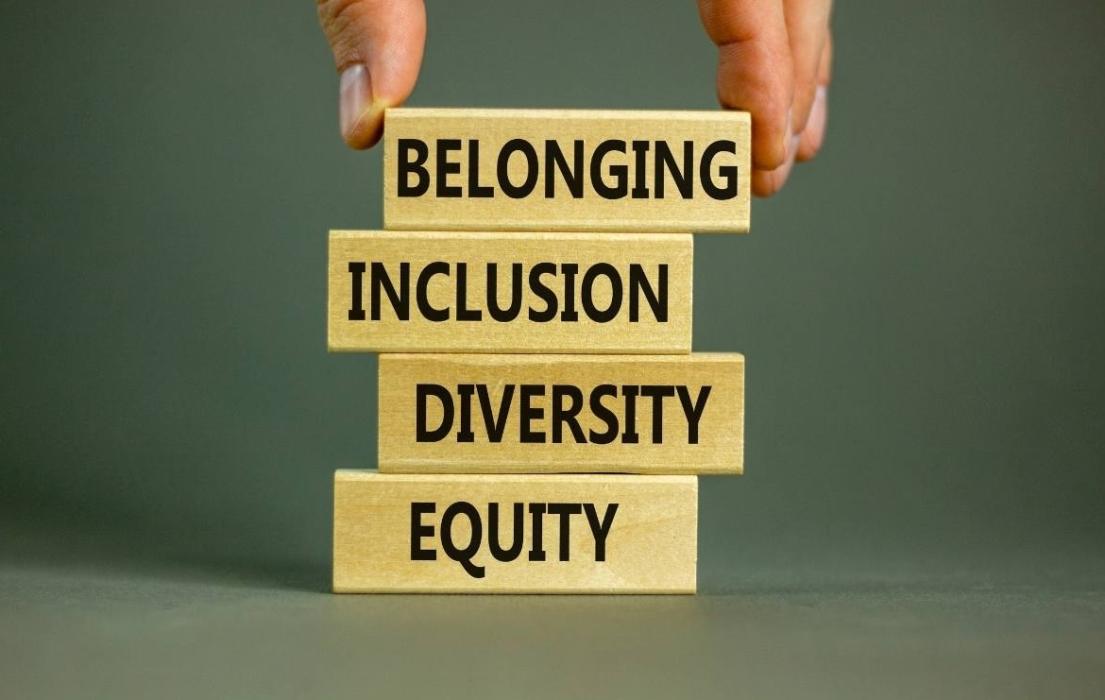
Four building blocks are piled on top of one another. Each says a word: Equity, diversity, inclusion, belonging.

When people feel excluded because of how a space is arranged, how information is shared, or how decisions are made, they're less likely to engage fully. Exclusion isn’t always intentional, but its effects are real: missed contributions, discomfort, and disengagement. Over time, this can affect learning, performance, and a sense of belonging in both classrooms and workplaces.

More people are entering learning and working spaces with different needs and perspectives, but the way those spaces are designed hasn’t always kept up. Many environments still reflect narrow ideas about how people learn, work, and communicate. When inclusion is treated as a one-time fix or limited to accommodations, the responsibility shifts to individuals to adapt—rather than addressing the structures that create barriers in the first place. This slows progress, affects morale, and leads to missed opportunities for innovation, learning, and connection. Inclusive design is a practical way to close this gap by rethinking how systems and spaces are built in the first place.

This workshop offers practical strategies for making your learning or working environment more inclusive from the outset. You’ll explore how design affects participation, how to recognize common barriers, and how to make small changes that have a meaningful impact on people’s ability to engage.

  • Recognize how everyday design choices can affect comfort, participation, and performance.
  • Identify physical, social, and cultural barriers that may be present in your environment.
  • Apply inclusive design strategies in classrooms, meetings, training, and events.
  • Build environments that reduce sensory, cognitive, and emotional overload.
  • Adapt materials and communication styles to reflect diverse needs and abilities.
  • Apply principles of universal design to support learning and collaboration.
  • Promote a culture of belonging through intentional practices and policies.

This workshop offers a collaborative space to reflect on how inclusion shows up in your learning materials, communication choices, and the environments where learning takes place. You’ll explore real examples, test inclusive strategies, and take part in thoughtful discussions that help surface blind spots. By working through planning tools, reviewing sample materials, and sharing insights with peers, you’ll discover practical ways to reduce barriers and create environments that support a broader range of learners.

You’ll receive a detailed workbook filled with templates, prompts, and reference tools to support your use of analytical techniques after the session.

This workshop is for educators, facilitators, supervisors, and team leaders who are responsible for creating welcoming and engaging environments.

  • Design or lead learning experiences in classroom or workplace settings
  • Want to make your sessions, meetings, or materials more inclusive
  • Support individuals with a wide range of communication, learning, or behavioural styles
  • Are rethinking how to build spaces, whether physical or virtual, where people feel they belong
  • Are looking for practical strategies that go beyond checklists or compliance

By attending this session, you’ll leave with tools and strategies for creating spaces where more people can contribute fully, bringing out the insight, creativity, and care that’s already in the room.

  • Reviewing real-life case studies to identify common barriers and inclusive approaches
  • Mapping learner needs and identifying design improvements
  • Practising inclusive communication and plain language writing
  • Assessing the physical and virtual learning environments for accessibility and comfort
  • Testing content and materials for readability and usability
  • Exploring tools for inclusive facilitation and learner engagement
  • Creating a personal action plan

Strengthen Teams and Prevent Burnout

Cover image
The words balance and burnout are written on a paper with a checkbox next to each word. A person is deciding which one to choose.

You push through the day, even when your energy is gone. You answer one more email, take another meeting, and try to ignore the tension in your body and brain. Maybe you feel detached from your work or are snapping at people more easily. It might feel personal, but it’s not just you.

Burnout is a growing challenge in today’s workplaces. Rising stress, disengagement, and turnover point to a deeper issue: chronic pressure without enough support for recovery. Increased sick leave, reduced morale, and team breakdowns affect performance across sectors. And once burnout sets in, it takes a long time to recover, far longer than most teams or individuals can afford. That’s why prevention matters. Awareness and proactive habits are key to supporting individual well-being and organizational performance.

This workshop helps break the cycle of chronic stress. Using a science-based approach, you’ll explore how stress affects workplace behaviour—and what can be done about it. Through reflection, discussion, and practical tools, you’ll build strategies to manage pressure, strengthen resilience, and support the well-being of yourself and your team.

You’ll walk away with tools you can use immediately: strategies to recognize and reduce burnout, ways to restore emotional balance, and techniques for improving communication and connection. Whether managing a team or your energy, this workshop will give you what you need to create a healthier, more productive workplace.

  • Explain how stress affects productivity, engagement, and workplace well-being.
  • Identify early signs of burnout and use strategies to reduce stress before it escalates.
  • Apply evidence-informed techniques to stay emotionally balanced in high-pressure situations.
  • Strengthen personal resilience through everyday self-care practices that contribute to sustainable performance.
  • Communicate more effectively to create a culture of openness, trust, and psychological safety within teams.
  • Take proactive steps to prevent burnout by building emotionally healthy, sustainable work environments.
  • Use emotional intelligence and conflict resolution tools to reduce tension and support stronger team relationships.

This workshop blends personal reflection and team-focused dialogue to help you explore the roots of burnout and what supports engagement and sustainability. You’ll take part in guided discussions, assess the stressors and strengths within your team, and explore what helps people stay motivated and connected at work. Through interactive exercises, you’ll identify what contributes to burnout and what can be done—individually and collectively—to shift toward healthier work habits and stronger team dynamics.

This workshop is for professionals, team leaders, and managers who want to support well-being and prevent burnout before it takes hold. Whether managing your energy or leading a team, this session provides practical tools to help you respond early and create a more sustainable, connected workplace.

  • Feel emotionally drained, overwhelmed, or disconnected from your work
  • Lead a team and want to support well-being without lowering expectations
  • Are noticing early signs of burnout in yourself or your colleagues
  • Want to build habits that promote focus, balance, and resilience during high-pressure periods
  • Need communication strategies that strengthen psychological safety and reduce tension in the workplace
  • Work in environments where long hours, complex demands, or emotional labour are common

By attending this session, you’ll gain tools to protect your energy, support your team, and build a more resilient, sustainable work environment.

  • Completing a burnout self-assessment
  • Mapping team challenges and energy drains
  • Identifying resilience strategies at individual and team levels
  • Discussing boundaries, communication norms, and workload pressures
  • Exploring case examples of burnout prevention and team recovery
  • Creating team and individual action plans to support well-being