Although the apostrophe is a tiny punctuation mark, its impact on meaning and clarity is significant. One of the most common sources of confusion in writing is knowing when to use it’s versus its. Fortunately, there’s a simple way to get it right every time.
Apostrophes in Contractions
Apostrophes are used in contractions to replace missing letters when two words are combined into one. For example, in the sentence "He isn’t here," the apostrophe in isn’t replaces the missing o from not, making the sentence more concise.
If you’re ever unsure whether an apostrophe belongs in it’s, try stretching the contraction out to see if it makes sense. Take the sentence "It’s going to rain today." Expanding the contraction, we get "It is going to rain today." Since “it is” makes sense, the apostrophe is correct in it’s.
Its: The Possessive Form
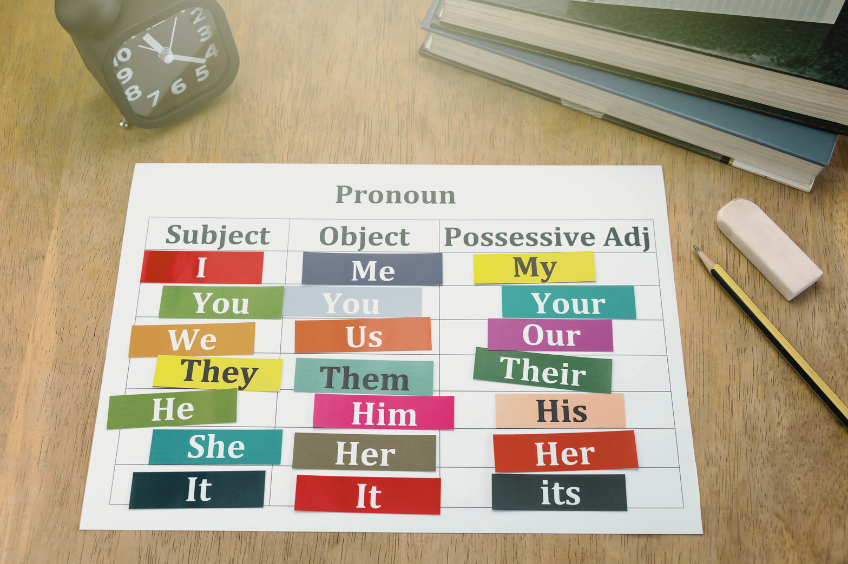
The word its (without an apostrophe) is the possessive form of it, meaning something belongs to it. Just like possessive pronouns such as his, hers, and theirs, the word its does not require an apostrophe.
For example:
- The dog wagged its tail.
- The company updated its policies.
In both cases, the word its shows ownership, so no apostrophe is needed. A quick way to check if you’re using the right form is to replace its with it is in the sentence. If the sentence no longer makes sense, then the correct choice is its without an apostrophe.
A Quick Test: It’s or Its?
Let’s apply this test to two sentences:
- The restaurant is known for its great service.
Trying "it is" here—"The restaurant is known for it is great service."—clearly doesn’t work, so the correct word is its without an apostrophe.
- It’s a beautiful day outside.
Expanding the contraction, we get "It is a beautiful day outside," which makes perfect sense. That means it’s (with an apostrophe) is correct in this case.
Words That Never Have Apostrophes
Some possessive pronouns are never written with apostrophes, even though they show ownership. These include:
- its
- hers
- ours
- yours
Avoid the temptation to add an apostrophe to any of these words. Writing its’, hers’, ours’, or yours’ is always incorrect.
Final Thought
Using contractions like it’s in your writing creates a more conversational and natural tone. In professional writing, contractions are absolutely okay and can help make your message sound more approachable and engaging. While some formal academic or legal documents may favor a more rigid style, most workplace communication—including emails, reports, and presentations—benefits from the clarity and readability that contractions provide. By keeping these simple apostrophe rules in mind, you’ll avoid common mistakes and ensure your writing is clear, polished, and professional.